

Why every World Cup country wears the colours it does...
It's mostly the flag, but not always.

I’m doing loads of events across England during the World Cup. Would love to see you at one!
Birmingham, Tues June 23
Bristol, Sun July 3
Coventry, Sat July 11
Manchester, Sun July 12
London (SW18), on Mon July 13
Hello and welcome to my weekly newsletter about how football explains politics, money and power.
The World Cup is well underway. Last week I wrote a mega-newsletter about how every single World Cup match has a political link, even if it’s sometimes tenuous…
This is another World Cup bumper edition, on familiar turf. I’m author of More Than A Shirt: How Football Shirts Explain Global Politics, Money and Power, which is out now in paperback in the UK and US. The book is mostly about club shirts and their sponsors. International shirts don’t have sponsors of course — FIFA and UEFA don’t want anyone competing with their own. But that doesn’t mean international shirts don’t tell stories…
I’ve spent the past few months posting on Instagram about why different countries play in the colours they do. Often, though not always, this is simply the colours of the flag, but the reasons why a flag is a particular colour is pretty interesting. Let’s get stuck in!
Group A:
Mexico 🇲🇽
The Mexican flag has been green, white and red for two centuries, with the green symbolising independence. But at the 1930 World Cup, Mexico shirts were burgundy. By the 1950s Mexico turned to their flag for their kit and it turned green.
South Korea 🇰🇷
In 1882 Korea needed a flag and came up with the Taegeukgi: a white field with four trigrams, and a red and blue circle at its centre which represents balance: blue is yin and red is yang. The red was seen on the streets in 2002 as South Korea hosted the World Cup with Japan, and the ‘Taeguk Warriors’ reached the semi-final.
South Africa 🇿🇦
South Africa’s post-apartheid flag combined many influences including the regime flag, and the flag of the African National Congress, which is black, green and gold. The gold represents the land’s mineral wealth. That’s why Bafana Bafana wear it now.
Czechia 🇨🇿
The Kingdom of Bohemia’s logo, adopted in the Middle Ages, was a white lion on a red shield. These are the colours of the Czech shirt. As empires crumbled after the First World War, the new nation of Czechoslovakia added a blue triangle to the flag, but the shirt didn’t change.
Group B:
Canada 🇨🇦
Canada’s head of state is still King Charles and until the 1960s the country had a flag with a Union Jack in the corner, but. mostly red. The new design was red and white with a maple leaf. Red and white are Canada’s national colours, adopted from the red of England and the white of France.
Switzerland 🇨🇭
Swiss footballers wear the red and white of their flag. At the Battle of Laupen in 1339, Swiss soldiers sewed a white cross onto their clothing, or so legend goes. It became the symbol of the Swiss Confederacy, and formalised as the national flag in 1848.
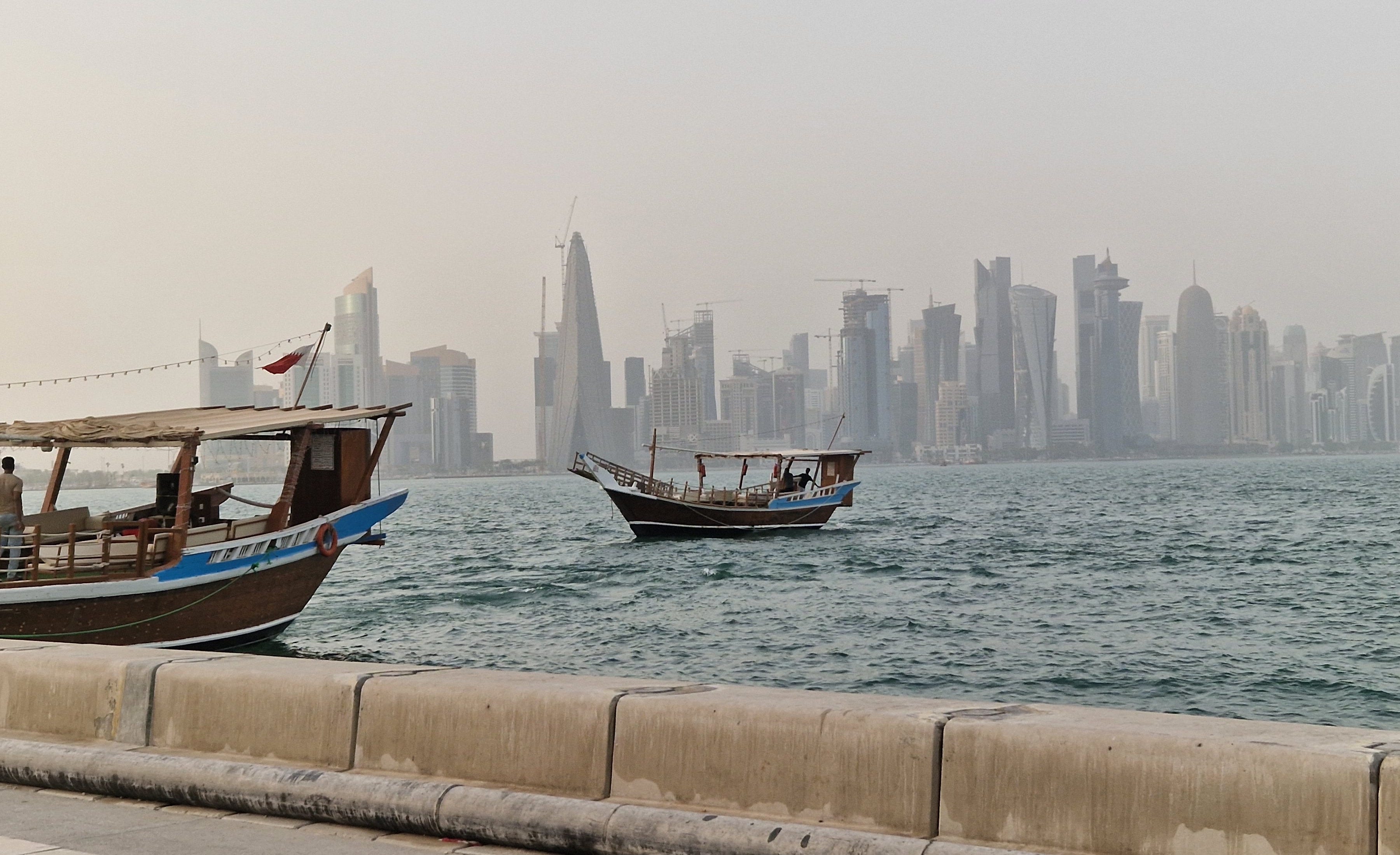
Qatar 🇶🇦
The maroon on Qatar’s flag, and shirts, traces its origins back to a red dye that had been used in the region since the Bronze Age. Sheikh Mohammed bin Thani unified tribes under this colour after realising that cheap red dye faded under the desert sun, unlike maroon, which was standardised in the 1930s. Britain wanted Qatar to use red like other Trucial States but Qatar refused.
Bosnia and Herzegovina 🇧🇦
Bosnia’s shirt is in European blue. In the 1990s, parliament was deadlocked for several years trying to come up with a flag design that could satisfy different ethnic groups that had recently been at war. The design stuck: blue and stars from the Council of Europe, a yellow-pointed triangle representing three peoples.
Group C:
Brazil 🇧🇷
My favourite story of the lot. Brazil played in white until the 1950 World Cup final which was supposed to be a moment of national triumph on home soil. The game ended in a defeat, 2-1 against Uruguay, that was akin to a national trauma. Afterwards Brazil held a competition which asked for a new design using the colours of the flag… the current design won and the rest is history.
Morocco 🇲🇦
The red of Morocco dates back hundreds of years to the Alouite dynasty, and was formalised in 1915 on the flag with a red five-pointed star. Wearing red, Morocco became the first African country to win a point at the World Cup in 1970, and the first African semi-finalists in 2022.
Scotland 🏴
The first international match was played between England and Scotland in Glasgow in 1872. Scotland were represented by local club Queens Park who played in dark blue and the colour stuck.
Haiti 🇭🇹
Haiti’s blue comes from the flag, which has a dramatic origin story. Haiti was originally a slave colony but overthrew French rule to become the first free black republic. The white was symbolically ripped from the French tricolour, and the flag stuck, adopted by the football team.
Group D:
USA 🇺🇸
By the time of US independence from Britain in 1776, the red, white and blue of the flag were already in use. The colours were adopted from the Union Jack, although this is debated by historians. The US always wear the red, white and blue of their flag, though the exact combination has changed a lot over the years.
Paraguay 🇵🇾
Another red, white and blue team with a European country to thank, but France this time. Nineteenth century leader José Gaspar Rodríguez de Francia, a lawyer, loved French writers, and was fascinated by the French Revolution. He chose a flag in the colours of the French tricolour, and the football shirt followed this.
Australia 🇦🇺
The green and gold colours are strongly associated with Australian sport. Cricketers started wearomg ot in 1899. The Socceroos first played in blue and maroon but from 1924 they adopted green and gold, the colours taken from the golden wattle, Australia’s national flower.
Turkey 🇹🇷
Turkic states used red before the arrival of Islam, and the crescent existed in Constantinople before the Ottomans made it their symbol. By 1793 the red flag with crescent and star was in use, and by 1844 it was official, in the Ottoman Empire, then Turkey. The football team played in various colours in the early years, but red became standard after the Republic of Turkey was formalised in 1923.
Group E:
Germany 🇩🇪
Black-and-white were the colours of the Prussian flag, the dominant state of the German Empire, which collapsed after the First World War. The shirt became a symbol of the country national rebirth when — competing as West Germany — the team stunned Hungary in the 1954 World Cup final in Switzerland, remembered as the ‘Miracle of Bern’.
Ecuador 🇪🇨
At a party in Weimar in Germany in the 1780s, a Venezuelan revolutionary named Francisco de Miranda met Goethe, the German poet and philosopher. Goethe spoke about colour, human perception, and primary colours. Twenty years later Miranda turned the idea into a flag for the liberation of South America from colonial rule: yellow, blue and red. It became the flag of Gran Colombia, of which Ecuador was part— followed by its football team, who play in yellow.
Côte d’Ivoire 🇨🇮
In the 1950s and ‘60s, lots of newly independent countries in Africa chose the pan-African colours of red, gold and green. Côte d’Ivoire intentionally chose something a little different: orange for the savanna, white for peace, green for the forests and the future. It’s the orange that makes it onto the national shirt.
Curaçao 🇨🇼
The blue comes from a flag designed by a 20 year-old in 1984. The island was grouped with the Netherlands Antilles but wanted its own flag and held a competition, won by Martin den Dulk. The blue represents the sky and sea, and yellow the sun, which are the colours of Curaçao’s home and away shirts respectively.
Group F:
Netherlands 🇳🇱
One of the world’s most distinctive kits, the Oranje trace their colour back to William of Orange, swho is een as the founding father of the Dutch nation. His title refers not to the colour but to the town in the South of France that he ruled over. But the colour stuck. It is also associated with protestantism and has been adopted by Scottish club Rangers for this reason.
Japan 🇯🇵
There is no blue on Japan’s flag. The kit is marketed as ‘Samurai Blue’, tracing back to the warriors who have used indigo aizome dye for hundreds of years. The truth is more prosaic though. It dates back to a Tokyo university team who wore blue when representing Japan in their first international.
Tunisia 🇹🇳
Tunisia’s red stems from Ottoman imperial tradition, because red has been the dominant colour across the Levant and North Africa for about 500 years. When Tunisia’s Husainid dynasty standardized the flag in 1835, red was already embedded in state symbolism. The football shirt followed. It looks similar to Turkey’s flag, but Tunisians like to say it is older, because modern Turkey was only established in 1923.
Sweden 🇸🇪
Sweden’s colours come from a 700-year-old symbol: the three crowns or tre kronor. Gold crowns on a blue background were being used in royal heraldry by the 14th century. The flag in the same colours followed, and have been used since the 16th century. When Swedish football came along, the kit colours were obvious.
Group G:
Belgium 🇧🇪
The Red Devil’s identity comes from a medieval coat of arms. The Duchy of Brabant used a golden lion on a black shield, with red claws and a red tongue. In 1830, black, yellow and red became the colours of the uprising against Dutch rule. The football team wore all colours, but over time the red came to dominate.
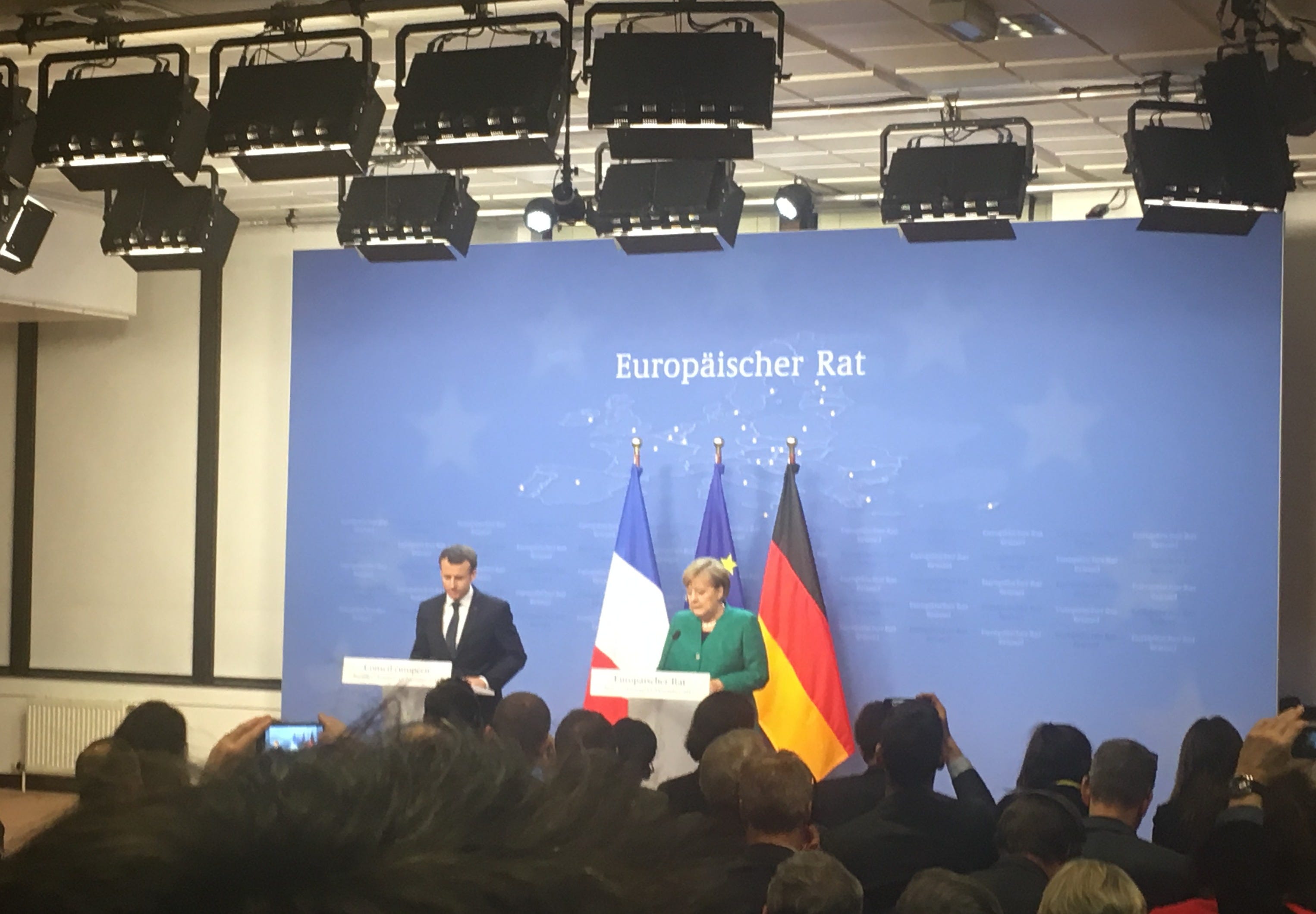
Iran 🇮🇷
Iran’s flag has been green, white and red since 1906, and the football kits, generally white, followed. The 1979 revolution overthrew the monarchy and much else, and the flag changed, but only a little — the Lion and the Sun in the centre was replaced by the Islamic Republic’s symbol. The colours didn’t change and nor did the kit.
Egypt 🇪🇬
In July 1952, army officers overthrew King Farouk of Egypt. Within months, the monarchy was gone and Egypt had a new flag with three stripes: red, white, black, based on a medieval Arabic verse: “white our deeds, black our battles, red our swords.” The red represents the blood that was shed resisting occupation and rule.
New Zealand 🇳🇿
Black has been New Zealand’s sporting colour since 1893. That year the rugby union team chose black jerseys and the All Blacks were born. The football team wanted the same but FIFA reserved black for referees. They chose a different colour — enter the All Whites.
Group H:
Spain 🇪🇸
Before 1785 Spanish warships flew a white flag with an emblem that was very similar to other fleets’, which made it difficult to tell friend from foe. The king ordered a bold new flag in red and yellow, which were the colours of Castile and Aragon. As for football, Spain wore red in 1920 at their first tournament. Under Franco the shirt was briefly ditched because of red’s communist associations, but soon returned.
Uruguay 🇺🇾
Uruguay’s light blue does not come from the flag, it was adopted from the Montevideo club River Plate who beat an Argentine side in 1910, a big moment for Uruguayan football, which went on to soon win two Olympic golds and two World Cups.
Saudi Arabia 🇸🇦
Mecca and Medina, the two holiest cities in Islam, are in Saudi Arabia. Green is the religion’s traditional sacred colour, associated with the prophet, and with paradise. The country plays in this colour, and as do Newcastle United at times, ever since the club was taken over by Saudi’s Public Investment Fund in 2021.
Cape Verde 🇨🇻
Cape Verde once played in green because of its flag which came from the PAIGC liberation movement, shared with Guinea-Bissau — where a coup in 1980 broke the bond between the two. In the early 1990s Cape Verde held its first free elections and chose a new flag. Designer Pedro Gregório Lopes said: “Despite the name ‘Cape Verde’, we have little green. What is constant and permanent is the blue, the white, of the waves.” The football kit followed.
Group I:
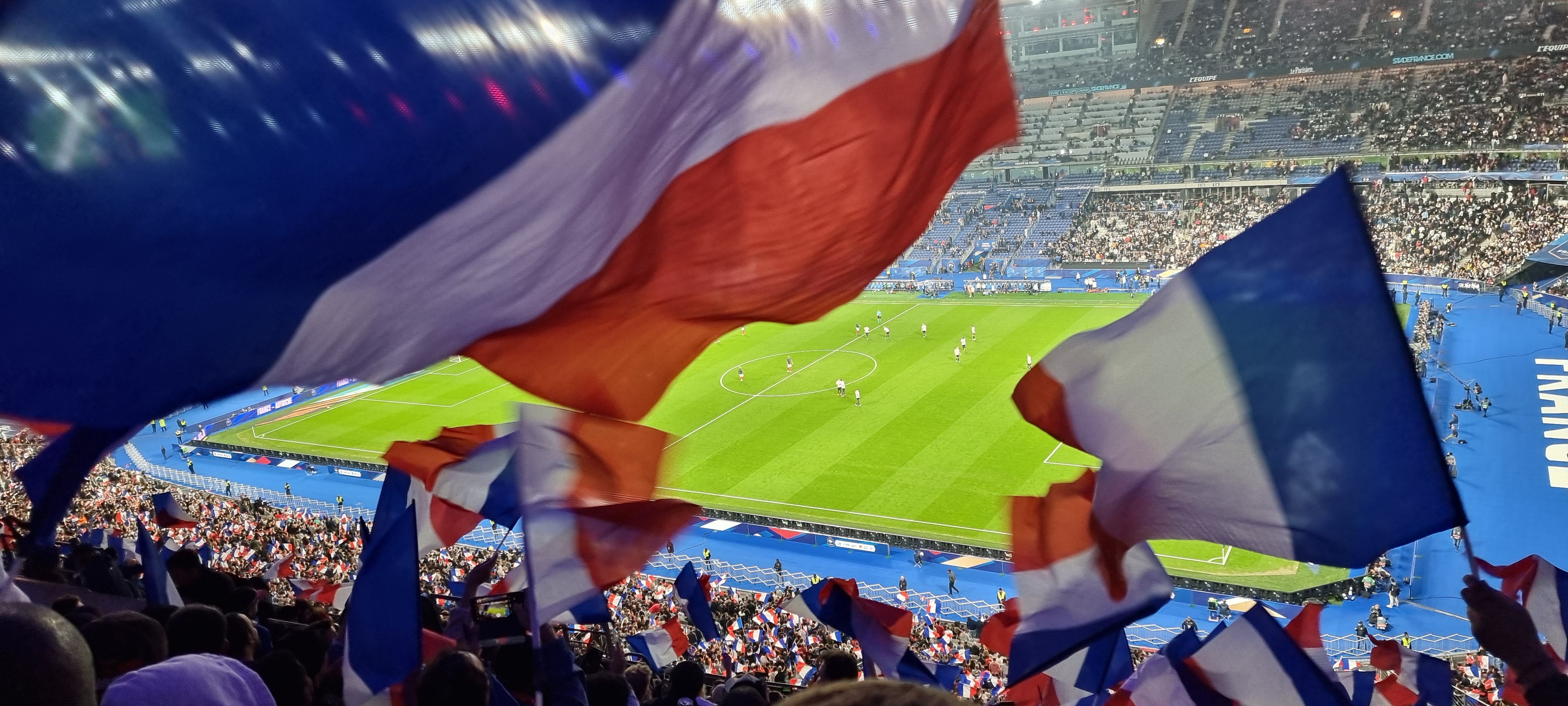
France 🇫🇷
France famously executed its king, but kept wearing his colour... blue. France’s first international football match was in 1904 and the team wore white. Four years later they’d switched to blue, which had been the colour of French royalty for centuries, but was retained on the revolutionary tricolour because it also symbolised Paris. Les Bleus came some time later.
Senegal 🇸🇳
In 1896 an Ethiopian army repelled Italy’s colonial advances at the Battle of Adwa, which was the first time Africans beat Europeans on the battlefield. Later, the colours of the Ethiopian flag — green, gold and red — became the pan-African colours, seen on the Senegal flag and many others in Africa. The colours appeared on football kits too, like Senegal’s, but also Cameroon’s which is very similar.
Norway 🇳🇴
Perhaps the most flag-like shirt of them all. Norway was under Danish rule for hundreds of years. That’s where the red comes from. In 1821 a new flag added blue and white, with these three colours representing liberty around the world following the American and French revolutions. The flag was banned before Norway won freedom from Sweden in 1899.
Iraq 🇮🇶
Iraq’s home shirt is white – this is true for lots of Middle Eastern countries — but their secondary colour is green, which features on the flag. Green is the pan-Arab colour that was a key part of Iraq’s 1958 revolution.
Group J:
Argentina 🇦🇷
When Argentina broke free of Spanish rule in the early nineteenth century, founding father Manuel Belgrano needed to distinguish those who were on his side, from the royalists in red. He came up with the idea of a cockade in sky blue and white. This stuck as the colours of the Argentine flag, and later, the fotoball shirt.
Austria 🇦🇹
Austria’s red and white comes from the country’s flag. At the Siege of Acre in 1191, legend has it that Duke Leopold V’s white tunic was soaked in blood. He removed his belt and this left a white strip, giving modern Austria its flag: all red with a white horizontal band. This was first recorded in 1230, later banned after the Anschluss between Austria and Nazi Germany, before being restored in 1945.
Algeria 🇩🇿
The green and white kit predates the existence of independent Algeria. In 1958, top Algerian footballers walked out of French clubs to play for a nation that didn’t yet exist. They wore white and green, the colours of a flag that was not yet recognised. When Algeria became independent in 1962, the colours were already set, of the flag and the football kit.
Jordan 🇯🇴
The Umayyad Caliphate ruled from Spain to Central Asia, and its colour was white. It fell in 750 AD, but the colour stuck. In 1916, Arabs rose up against Ottomans and the flag included white. Jordan kept the colours in its flag, and the football shirts followed.
Group K:
Portugal 🇵🇹
In 1908 King Carlos was assassinated, the Portuguese monarchy fell, and the national colours changed, from blue and white to red and green. Red was the colour of revolution — and is now worn by Cristiano Ronaldo at the World Cup.
Colombia 🇨🇴
See Ecuador. Colombia play in yellow for the same reason.
Venezuela — not at the World Cup — has a similar flag, but the team plays in red.
Uzbekistan 🇺🇿
The blue on Uzbekistan’s shirt comes from the distinctive bright colour of buildings in Samarkand, which was at the centre of the Silk Road.
DR Congo 🇨🇩
The blue on DR Congo’s flag has sinister origins. It featured on the colonial flag of King Leopold, the Belgian king who brutally subjugated Congo, to represent a “shining light in a dark continent”. The blue has since been, reclaimed by independent Congo, though, and means something very different now.
Group L:
England 🏴
In the first international in 1872, England were against a Scotland side playing in dark blue. They needed a kit that would contrast. It is thought the white came from a cricket kit, worn for convenience, although the facts are somewhat shrouded in mystery.
Croatia 🇭🇷
The red-and-white chequered shirts come from the šahovnica, a medieval heraldic symbol. As legend has it, about a thousand years ago, Croatian King Stephen Držislav was captured by the Venetians, and challenged the Doge to a chess match to win his freedom. He won and incorporated the chessboard into his coat of arms. Like many of these sorts of stories, this may all be a romanticised myth.
Panama 🇵🇦
Like lots of countries in South and central America, Panama has historically seen conflict between Liberals, whose colour is red, and Conservatives, in blue. Panama’s flag — and shirt — combines these colours with white for peace.
Ghana 🇬🇭
In 1919, Jamaican activist Marcus Garvey founded the Black Star Line, a shipping company owned entirely by black people. It became a symbol of the pan-African movement. When Ghana gained independence a black star was put on the flag, and the football team later became known as the Black Stars, playing in a white kit with a black star.
Very interesting and informative. The Netherlands’ orange was also adopted by my home team, Blackpool - although they always called it tangerine.
A joy to read for a big flag and football fan! The Bosnia Herzegovina flag's yellow triangle is also to represent the land and the shape of the country which you can see on the national football team's badge